Rate hold masks a tougher call for borrowers and lenders facing the Iran war shock
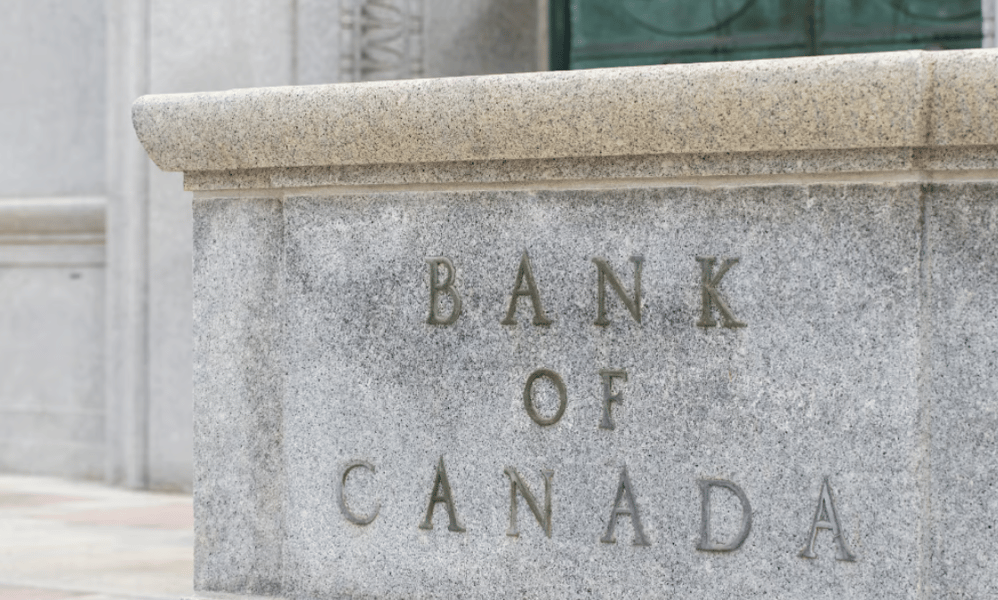
The Bank of Canada’s latest rate hold at 2.25% is less a simple pause than a calculated gamble as war in Iran sent oil prices higher and rekindled inflation fears.
Behind the scenes, policymakers weighed a trade‑off that carries clear consequences for heavily indebted households and the mortgage market.
Governing Council members faced an economy that has cooled since late 2025, with job losses broad‑based across industries and housing weakness concentrated in Toronto and Vancouver resale markets.
At the same time, surging energy costs threatened to push inflation back up from February’s 1.8% reading, just as price growth has neared target again.
“Higher gasoline prices, combined with still‑elevated inflation in essentials such as groceries, could push up inflation expectations,” the summary of deliberations said.
Members worried that memories of the 2022–23 inflation spike remains “fresh in people’s minds,” increasing the risk that households and firms might overreact to another price shock.
Bank of Canada senior deputy governor Carolyn Rogers signalled that the central bank has been rethinking how it frames inflation risks as its five‑year mandate comes up for renewal.https://t.co/XG3FlkQ2Tm
— Canadian Mortgage Professional Magazine (@CMPmagazine) March 30, 2026
Oil shock revives inflation fears for households
Officials also discussed whether this energy shock would prove less damaging than past episodes.
The global economy used less oil per unit of output and Canada, as a net energy exporter, stood to gain from stronger export revenues. That could bolster incomes even as higher gasoline prices squeezed consumer spending.
The council judged that the near‑term risks to growth were tilted to the downside, but that the oil shock represented “additional upside risk to inflation.”
With the economy operating in excess supply and core inflation measures close to 2%, they decided to “look through the immediate effect on inflation of the oil price shock” and leave the policy rate unchanged while they assess how the conflict evolves.
Mortgage market clings to rate stability
For mortgage professionals, the decision extended a status quo in a wait‑and‑see environment, with earlier deliberations in January highlighting how unusually difficult the next move was to call.
Economists also urged patience as the Bank signalled it was bracing for weaker growth and war‑driven uncertainty rather than preparing another tightening cycle, even as inflation risks resurfaced.
Many borrowers are still absorbing past rate increases, with rising financial stress among mortgage holders and a limited capacity to withstand another surge in living costs. That vulnerability underscores the Bank’s admission that it would “need to rely on judgment more heavily than usual and take a risk management approach to monetary policy.”
For now, the key rate stays put and fixed‑rate pricing remains anchored by government bond yields, but the council’s own account made clear that the range of possible outcomes has widened.
Make sure to get all the latest news to your inbox on Canada’s mortgage and housing markets by signing up for our free daily newsletter here.